

A local SEO audit is a systematic evaluation of your business’s online presence. It identifies technical errors, content gaps, and opportunities to improve your visibility in local search results. Regular audits ensure that your SEO system is functioning correctly and adapting to algorithm changes.
In 2026, local search is more competitive than ever. Relying on basic tactics is no longer sufficient. This checklist provides a comprehensive framework for auditing your local presence and ensuring your business remains the top choice for local customers.
Foundation: Google Business Profile Audit
Your Google Business Profile is the cornerstone of local SEO. It’s often the first thing a potential customer sees when searching for your services. Auditing this profile is the highest priority for any local business.
- Verify that your business name exactly matches your legal name.
- Check that your primary and secondary categories are correct and exhaustive.
- Review your listed phone number and website URL for accuracy.
- Audit your operating hours, including holiday hours.
- Ensure your service area is accurately defined.
Managing Reviews and Engagement
Reviews are a massive ranking factor. They provide the social proof that both users and search engines look for. A thorough audit includes looking at the volume, frequency, and quality of your reviews.
Check if you’ve responded to all recent reviews. Both positive and negative feedback require a professional response. Optimizing your Google Business Profile regularly is essential for maintaining high engagement rates.
Visibility: On-Page and Technical SEO Audit
Your website must provide clear signals to search engines about your location and services. Technical errors can prevent your pages from being indexed properly, leading to a loss in rankings.
Content and Keyword Check
Review your main service pages to ensure they’re optimized for local keywords. Each page should target a specific service and location combination. Check for natural keyword integration and avoid outdated tactics like keyword stuffing.
Evaluate your header structure (H1, H2, H3) for logical organization. Ensure that your on-page SEO elements are correctly implemented. This includes your title tags and meta descriptions, which should be unique for every page.
Technical Performance and Mobile Usability
Local searches often happen on mobile devices while users are on the go. Your site must be fully responsive and load quickly. Use tools like Google PageSpeed Insights to identify performance bottlenecks.
Check for common technical issues like:
- Broken internal and external links (404 errors).
- Missing or incorrect schema markup.
- Slow server response times.
- Large, uncompressed images that slow down the page.
Reputation: Citation and NAP Consistency Audit
NAP stands for Name, Address, and Phone Number. Consistency across the web is critical for local search authority. If your business details are different on Yelp than they are on your website, it creates confusion for search engines.
Auditing Core Directories
Identify all the major directories where your business is listed. This includes major sites like Facebook, Bing Places, and Yelp, as well as industry-specific directories. Ensure that your NAP data matches your Google Business Profile perfectly.
Look for duplicate listings on the same platform. These can dilute your ranking power and confuse users. Fixing these inconsistencies is a core part of a local SEO strategy and should be done at least twice a year.
Authority: Backlink Profile and Competitor Analysis
Backlinks are votes of confidence from other websites. A local business should focus on earning links from other local organizations, news sites, and industry blogs.
Analyzing Your Link Profile
Use a tool like Semrush to audit your backlink profile. Look for high-quality, relevant links and identify any toxic links that might be hurting your reputation. A natural link profile includes a variety of anchor texts and source types.
Compare your profile to your top three local competitors. Identify where they’re getting their links and look for opportunities to reach out to those same sources. This competitor analysis helps you understand the “link gap” you need to close.
Missing Elements Checklist
Many businesses overlook smaller details that can have a significant impact on rankings. These local SEO checklist items are often the difference between ranking on page one or page two.
- Check for local office or storefront photos on your GBP.
- Ensure your NAP is in the footer of every page on your website.
- Verify that your contact page has an embedded Google Map.
- Audit your site for internal links between service and location pages.
- Confirm that your social media profiles link back to your website.
Implementing Audit Findings
An audit is only valuable if you act on the results. Create a priority list of the issues you found and set a timeline for fixing them. Start with high-impact items like GBP corrections and technical errors before moving to long-term tasks like link building.
Local SEO is an ongoing system. Performing this audit quarterly ensures that you stay ahead of competitors and continue to grow your organic visibility. Small, consistent improvements lead to major long-term results.
Get Professional Insights
Auditing every aspect of your local presence can be time-consuming. Having an expert perspective helps ensure no details aremissed during the process.
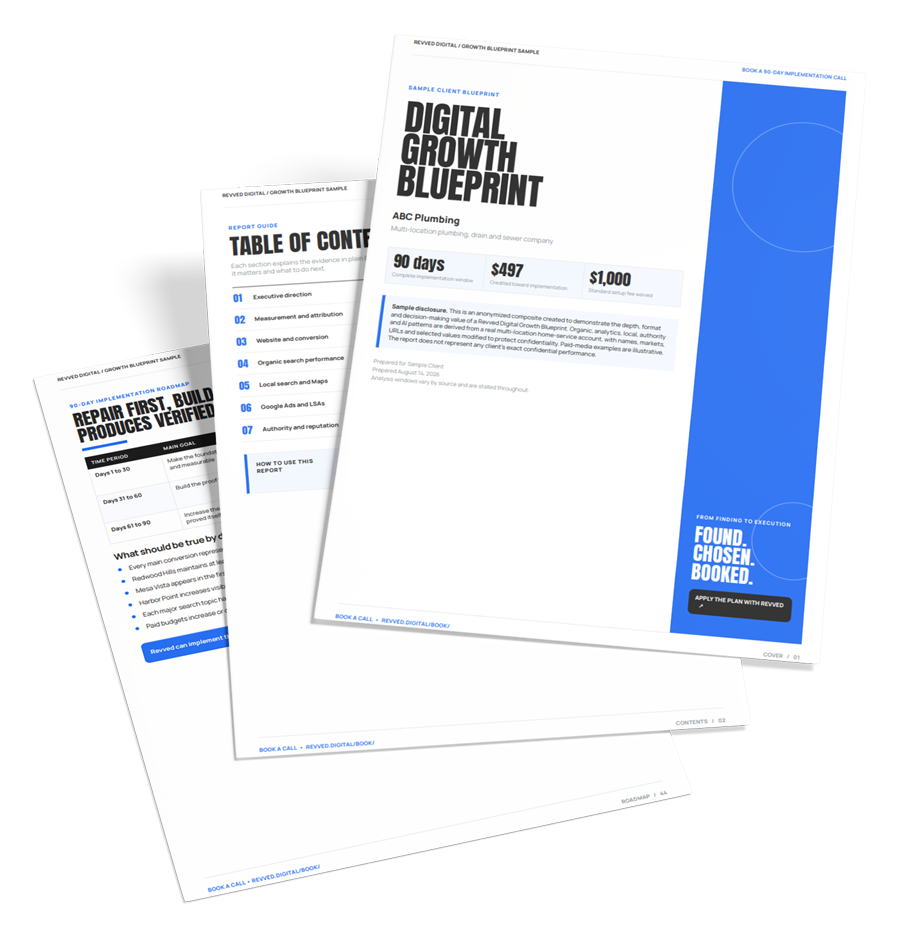
Get a Free AI audit at revved.digital to identify the mostcritical improvements for your local ranking.